CDF Munir vows continued efforts to stabilise region in meeting with Iran’s Ghalibaf
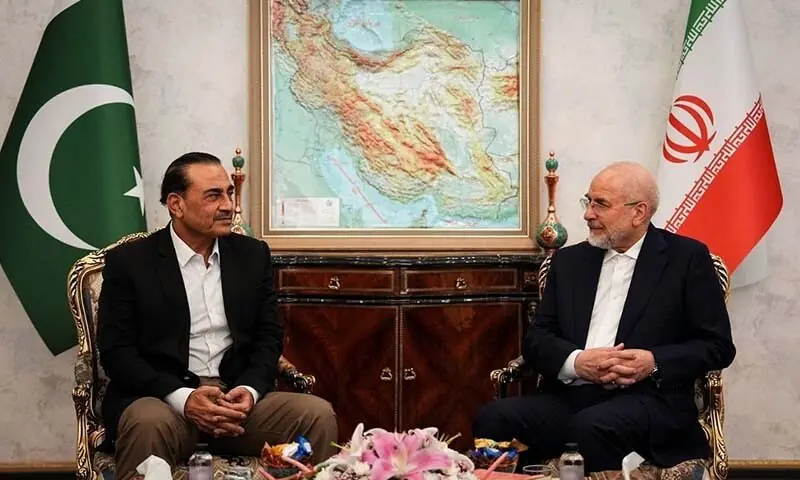
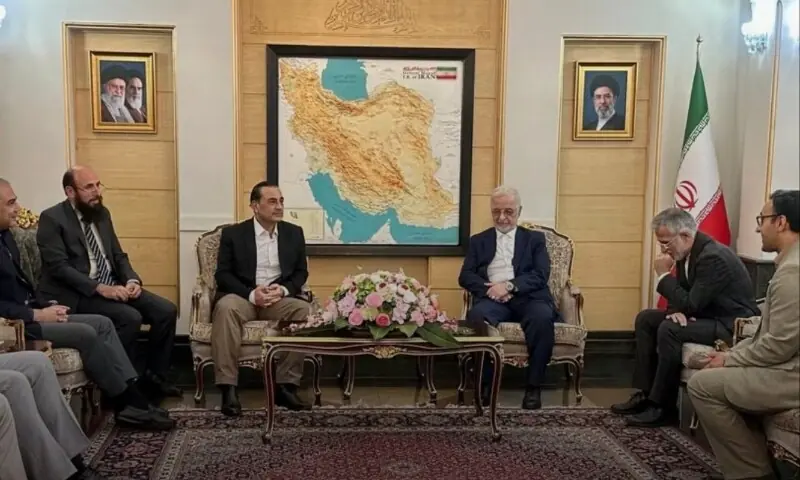

Chief of Defence Forces and Chief of Army Staff Field Marshal Asim Munir met Iranian parliament speaker Mohammad Bagher Ghalibaf in Tehran on Monday during his visit to the Iranian capital, according to Iranian state broadcaster Press TV.
The CDF and interior minister reached Tehran earlier today, Iranian media reported, after Inter-Services Public Relations (ISPR) described the visit “as part of Pakistan’s efforts to promote regional peace and stability”.
According to the Iranian broadcaster, Ghalibaf reaffirmed Tehran’s commitment to upholding the Islamabad Memorandum of Understanding, while criticising the United States for failing to honour its commitments. He said this approach had “hindered regional stability and further eroded trust in Washington”.
Field Marshal Munir said Pakistan would continue its efforts to help restore stability in the region, Press TV reported.
Later, Mohsen Rezaei, the secretary of Iran’s Supreme National Security Council, expressed his distrust of Washington during a meeting with Field Marshal Munir, according to the Fars news agency.
“America must change its behaviour and take practical actions regarding the implementation of the conditions of the agreement,” Rezaei was quoted as saying by Fars.
Iranian news agency ISNA has also published photographs of a meeting between Field Marshal Munir and Iranian President Masoud Pezeshkian.
Earlier today, CDF Munir and Naqvi met with Iranian Interior Minister Eskandar Momeni in Tehran, state media in Pakistan reported.
Iranian foreign ministry spokesperson Esmaeil Baqaei said that the visit undertaken by CDF Munir and Naqvi was taking place as bilateral ties between Islamabad and Tehran “reach one of their strongest stages”, state broadcaster IRIB reported.
Baqaei added that the Pakistani delegation’s visit was unrelated to the visit of Oman’s foreign minister, who is expected to arrive today. He noted that “both visits will address regional security issues”.
ISPR said CDF Munir will “focus on promoting efforts towards peaceful, lasting and comprehensive resolution of the conflict in the Middle East” during the visit.
Baqaei on Sunday said CDF Munir was expected to travel to Tehran to continue efforts to bring peace and security to the region.
He said CDF Munir would lead an official delegation and the “visit aims to strengthen bilateral cooperation between Iran and Pakistan and to continue Pakistan’s good offices in support of peace and security in the region”.
During the visit, CDF Munir would meet and hold talks with senior officials Iran, Baqaei added.
The United States and Israel triggered the Middle East war with a massive wave of strikes against Iran on February 28, triggering Iranian retaliation across the region.
An April 8 ceasefire ended nearly 40 days of intense bombardment, but control over the Strait of Hormuz soon emerged as a key flashpoint in the conflict.
Iran has controlled the vital energy conduit since the war began. Reopening the strait, vital for global oil and gas supplies, has become a US priority, but Tehran insists the waterway will remain closed until Washington lifts its naval blockade on Iranian ports, removes oil sanctions and unfreezes Iranian assets abroad.
Pakistan has played a key role in efforts to halt war between Iran and the United States, brokering a memorandum of understanding (MoU) in June, but peace negotiations currently appear stalled.
Last week, US President Donald Trump announced that Washington would ramp up economic pressure on Iran “on an unprecedented scale”.
Washington has urged other governments, including Beijing, to join efforts to further isolate Iran’s economy.
The US is expected to announce details related to the planned sanctions on Monday, which US officials have said would be “the toughest sanctions in history” on Iran.
Additional input from AFP