Pakistan Medical Association calls for transparency in MDCAT 2026
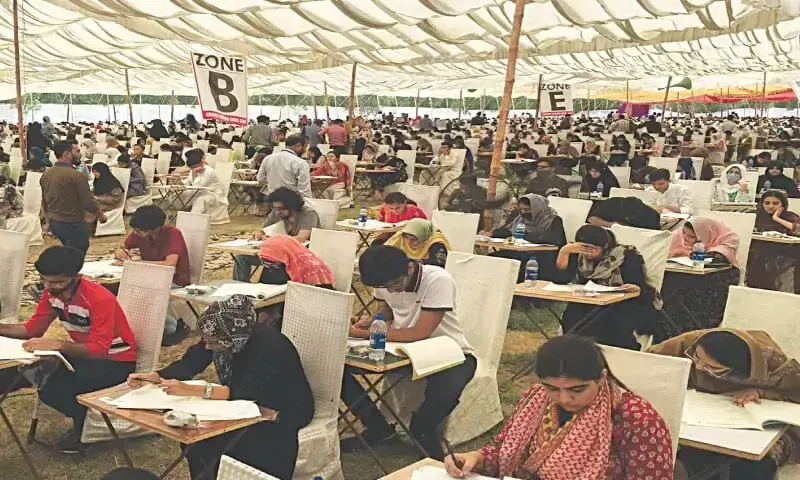

ISLAMABAD: The Pakistan Medical Association (PMA) has called for complete transparency and foolproof security in the upcoming Medical and Dental College Admission Test (MDCAT) 2026, while demanding an immediate independent forensic audit of private medical and dental colleges across the country.
In a statement ahead of the MDCAT scheduled for September 20, PMA Secretary General Dr Abdul Ghafoor Shoro reiterated the association’s longstanding concerns over the country’s reliance on high-stakes entrance examinations as the primary mechanism for selecting students for medical education.
Dr Shoro said the repeated controversies surrounding the MDCAT — including allegations of paper leaks, administrative mismanagement and other irregularities under different testing bodies in previous years — had undermined public confidence in the examination process.
Given the country’s pressing need for qualified doctors and a strong healthcare system, the PMA demanded that authorities ensure absolute transparency, stringent security arrangements and efficient administration of the September 20 examination.
Forensic audit of private medical colleges demanded
“Future medical professionals must be selected through an untainted and merit-based process,” Dr Shoro said. The association argued that the country’s focus should extend beyond entrance examinations and instead centre on improving the quality of primary and secondary education.
According to Dr Shoro, a properly structured education system should equip students with the knowledge and skills required for higher medical education without placing excessive dependence on a single, high-pressure screening examination.
“The PMA maintains that a well-structured primary and secondary education system should naturally prepare students for higher medical education,” he said, adding that bringing foundational schooling up to global standards could eventually reduce the need for centralised high-stakes tests such as the MDCAT.
The PMA also expressed serious concern over growing commercialisation of medical education, particularly in the private sector.
Dr Shoro said private medical colleges had expanded rapidly in recent years, with some institutions operating with inadequate staffing, inefficient academic structures and part-time faculty. He alleged that certain colleges continued to lobby for an increase in the number of seats despite failing to meet basic educational and clinical requirements, raising concerns that financial considerations were being prioritised over the quality of medical training.
Published in Dawn, September 8th, 2026