‘Aura’ battles hit Latin America
A social media trend called “aura farming” has moved from TikTok and Instagram to real-life battles in Mexico, Argentina, Brazil, Peru and Bolivia.
Mostly teenagers aged 14 to 20 compete by copying viral memes, poses and moves, including Cristiano Ronaldo’s “Siuuu” celebration, “mewing” and the “6-7” gesture. Judges score them on confidence, humour, style and creativity.
The battles have become popular with young crowds, although some adults have criticised them. Others say they give teenagers a chance to meet in person and have fun.

Man keeps Urartian language alive
At 86, Mehmet Kusman has spent nearly 60 years studying Urartian, the ancient language of the Urartu Kingdom in eastern Turkey.
With little formal education, Kusman began copying inscriptions while working at the Cavustepe excavations in the 1960s. He learned the alphabet in three years and spent another 22 years learning 650 words.
Kusman calls himself one of the last people in Turkey who can speak Urartian.
However, historians say no one can truly claim to speak it because its pronunciation is unknown and much of its vocabulary remains a mystery.
Despite this, academics admire his dedication. He has introduced thousands of visitors to Urartu’s history and given talks in several countries. Kusman proudly calls himself a “grandson of the Urartians”.
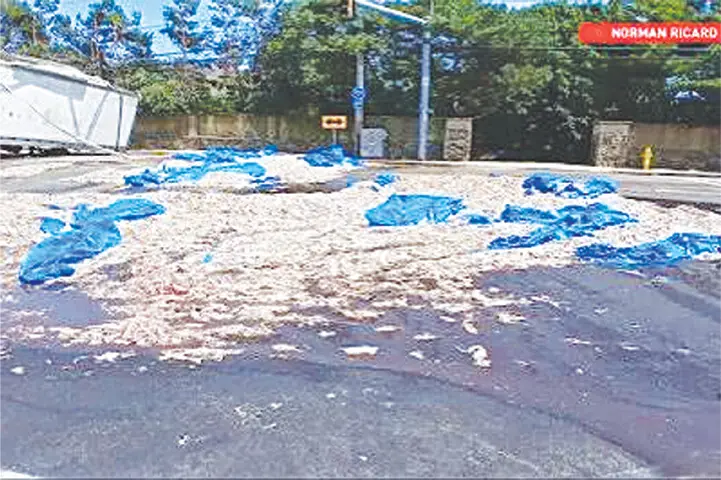
Squid spill closes road
A tractor-trailer carrying thousands of pounds of squid overturned at the intersection of Point Judith and Galilee Escape roads in Rhode Island, the US, spilling a large number of squid onto the road.
No one was injured, but the intersection was closed for about eight hours while crews cleaned up the seafood.
Footage showed crews using skid steers to scrape the squid off the road.
China puts robocops on duty
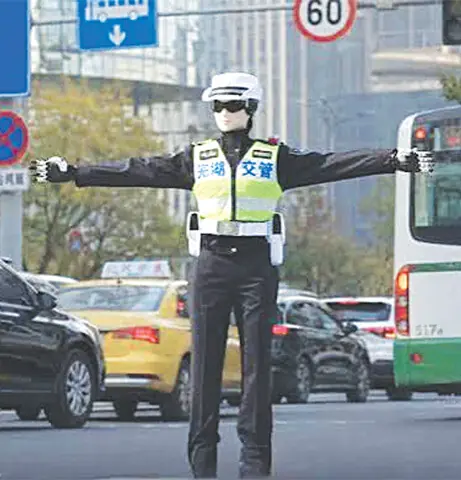
China is testing robot traffic officers in Hangzhou. The 1.88-metre, 98-kg robots have no weapons or arrest powers, but can spot helmetless e-bike riders, extra passengers, vehicles crossing stop lines and pedestrians ignoring signals.
Made by SUPCON Information, the robots use cameras, radar and onboard computers to issue warnings, answer questions about traffic rules and directions, and contact police during emergencies. Their seven-jointed arms copy traffic officers’ signals.
Since May, 15 robots have issued more than 170,000 warnings, while SUPCON says some violations have fallen by over 40%. The robots work autonomously from 7 am to 6 pm and can operate for long periods without breaks. Nearly 50 robots are now working in eight Chinese cities and expects the number to reach about 200 by the end of the year.
Published in Dawn, Young World, September 12th, 2026