Ugly Hawaiian shirt tricks AI cameras

A German designer has created a colourful Hawaiian shirt designed to confuse AI-powered surveillance cameras. Called Digital Camouflage, its strange pattern makes it difficult for the AI systems tested to recognise the wearer as a person.
Designer Simon Weckert developed the pattern using AI in an “adversarial loop”, repeatedly testing and changing it until the cameras’ confidence in detecting a person dropped. While the shirt looks loud and obvious to humans, it can appear almost invisible to the AI systems it was tested against.
Painful skin keeps teen in water

A 16-year-old boy in India says he has spent much of the past five years in a pond because the water helps ease a painful burning sensation in his skin.
Iqbal Sheikh, from West Bengal, reportedly experiences severe pain when he stays out of the water for too long. Despite visiting hospitals and healers, his condition remains undiagnosed. He believes it may be linked to a supernatural cause.
Videos of Iqbal in the pond recently went viral, with some online users suggesting his symptoms resemble erythromelalgia, a rare condition that can cause burning pain and redness. However, there is no confirmed diagnosis.
Peanut butter turns into art
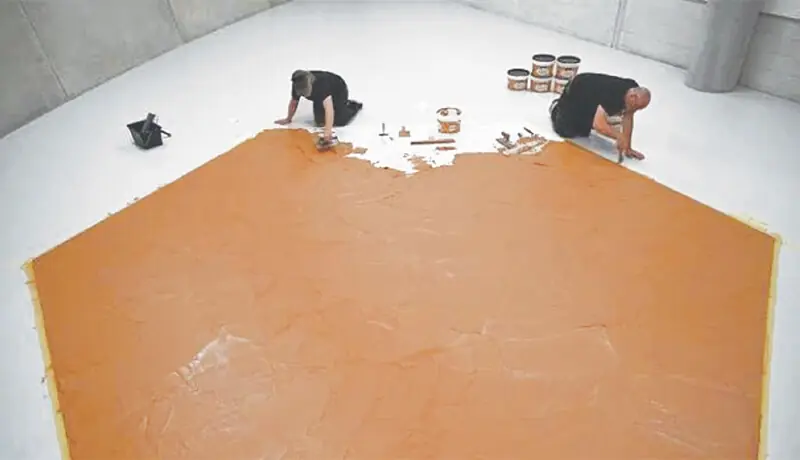
An unusual artwork made from 390 kilogrammes of peanut butter spread across a 25-square-metre floor attracted 48,000 visitors at Rotterdam’s Boijmans van Beuningen museum in the Netherlands. The two-month exhibition honoured artist Wim T Schippers, who died this year. During the display, 48 visitors accidentally stepped into the peanut butter, five phones fell into it and one child reportedly tried to lick it. The museum also received 80 complaints.
After the exhibition, the peanut butter cannot be reused because of hygiene and food safety concerns, so it will be composted. Meanwhile, the museum café served peanut butter sandwiches, with the Dutch favourite combination of peanut butter and chocolate sprinkles proving most popular.
Mountain school gets a lift
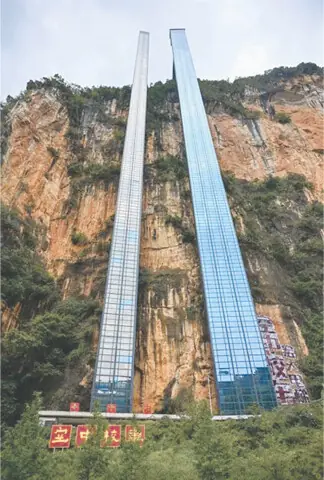
A new 288-metre outdoor elevator in China’s Yunnan Province is making the journey to school much easier for children in a remote mountain village.
In 2022, the 268-metre Qingyun Ladder elevator was built beside a cliff to help students from Nizhuhe village reach Guanzhai Village Primary School. Before that, they faced a three-hour climb along steep mountain paths every few weeks. The elevator reduced the journey to about 30 minutes. But the elevator became a tourist attraction, leading to long queues. Students could ride for free but still had to wait. Now, a second elevator, the 288-metre Fuyao Ladder, has opened beside it. It is faster, more spacious and has a 20-metre longer shaft.
Published in Dawn, Young World, September 26th, 2026