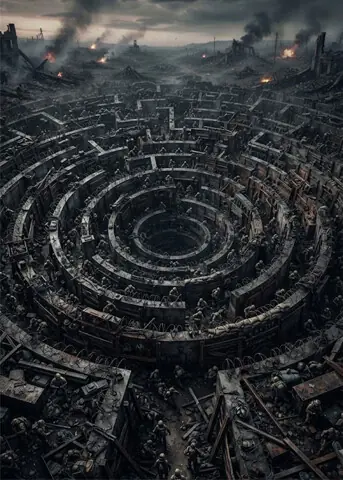
E-WASTE encompasses a wide range of electronic devices, including large household appliances, small household appliances, information technology (IT) and telecommunication equipment, consumer equipment, lighting equipment, electrical and electronic tools, toys and leisure equipment, medical devices, monitoring and control instruments, and automatic dispensers.
These items, such as refrigerators, washing machines, computers, televisions, fluorescent lamps, power tools and video games, among others, contribute to the growing volume of e-waste worldwide.
The global quantity of e-waste, accounting for more than five per cent of municipal solid waste, continues to rise, especially in developing countries due to increased sale of electronic products. Unfortunately, these nations often employ informal and hazardous practices in extracting and selling metals from e-waste.
For instance, burning e-waste for metal recovery releases brominated and chlorinated dioxins, causing air pollution. In informal recycling processes, toxic chemicals lacking economic value are carelessly dumped, leading to contamination of underground aquifers and compromising groundwater quality.
Dismantling e-waste generates atmospheric pollution as dust particles laden with heavy metals and flame retardants are released into the air. These particles can settle near the emission source or travel long distances depending on their size. Consequently, the dust can pollute soil and water systems through leaching and deposition, rendering them toxic when substances like lead, mercury, cadmium, arsenic and polychlorinated biphenyls (PCBs) end up in landfills.
Developed countries, faced with stringent environmental regulations and escalating waste disposal costs, may opt to export e-waste to smaller traders in developing nations for financial gains.
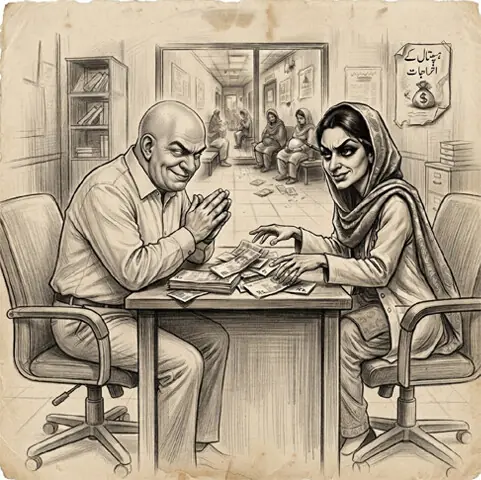
Moreover, there is the critical issue of illicit transboundary movement of e-waste disguised as donations or charity from industrialised nations to developing countries. Weak environmental laws, corruption and low wages allow e-waste dealers to profit significantly from these activities. Proper manage-ment of the disposal and recycling of electronic devices are, therefore, vital to minimise environmental impact and foster sustainable practices.
Dr Intikhab Ulfat
Karachi
Published in Dawn, September 4th, 2023