ACCORDING to the 2023 census, the Kohlu district of Balochistan has a population of about 260,000 people, and nearly 93 per cent of its residents live in rural areas. The literacy rate in the district is only around 28pc, significantly lower than the national average. Various development studies also suggest that a large portion of the population faces multidimensional poverty, highlighting the difficult socio-economic conditions faced by many.
It is really sickening to come across rude comments about the local people on various social media platforms. It is obvious that those living in other parts of the country tend to ignore the social and economic realities that often shape human behaviour during times of hardship.
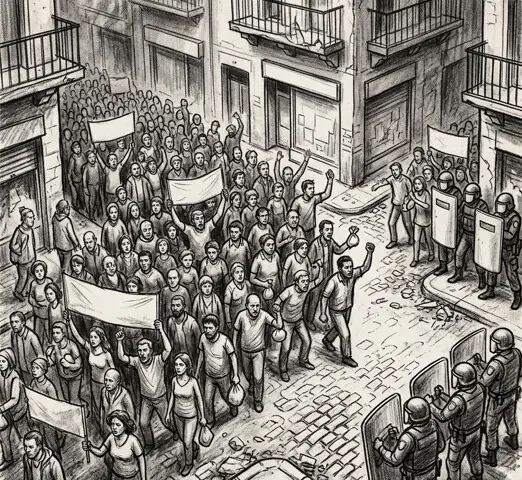
History offers an important perspective. Today, France is considered one of the world’s developed and highly organised societies. Yet, in the 18th century, economic hardship and rising bread prices created severe social tensions. As food shortages intensified, unrest spread across the country. In 1775, the Flour War erupted across France, with riots spreading to more than 300 locations. A few years later, during the early phase of the French Revolution, hunger again pushed people onto the streets. Their demand was simple: access to bread and fair food prices.
When economic hardship reaches extreme levels, social tensions are bound to rise. This is not a question of ‘civilisation’, but a reflection of basic human survival. We should keep that in mind before calling the people of Kohlu ‘uncivilised’.
As the famous saying suggests, poverty is one of the harshest forms of violence because it silently erodes human dignity. Many communities in Balochistan continue to face economic and develop-mental challenges, including limited infrastructure, low literacy levels, and restricted economic opportunities. The lesson from history is clear: hunger and poverty place immense pressure on social systems.
Addressing these challenges requires improved governance, service delivery, and long-term investment in human development. Constructive discussion and honest assessment of development chal-lenges can help ensure that welfare policies achieve their intended purpose.
Zahid Marri
Kohlu
Published in Dawn, April 30th, 2026