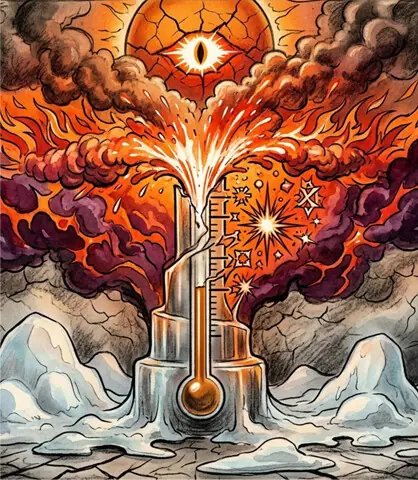
THE extreme heat in Karachi in recent days, with temperatures soaring to 41°C, has reminded us that heatwaves are a major cause of many life-threatening perils, and climate change has been absolutely overwhelming in its impact. Heatwaves are becoming the new normal as temperatures across the world continue to exceed records, ushering in a period of ‘global boiling’.
A mere 1°C increase in temperature is linked to an 18 per cent increase in morbidity and a 35pc increase in mortality. By 2030, it is expected to kill over 489,000 people yearly and result in $2.4 trillion in lost productivity. All of the previous 10 years have been the warmest on record, and July 2023 is already the hottest month ever. In 2024, the world passed an alarming threshold. Surprisingly, it is projected that at least half of the world would have dangerously high temperatures for at least one month of the year by 2050.
In general, a heatwave is characterised by a minimum of three consecutive days during which the daily mean temperature remains above the predetermined limits. Often referred to as the ‘silent killer’, it has particularly long-lasting and diffuse effects that may pose a major threat to human health, physical infrastructure and economic activity.
The wide-ranging effects of extreme heat include chronic diseases, increased mortality, drought, wildfires, decreased economic productivity and supply chain fragility. Additionally, it has a perilous effect on the elderly, children, outdoor workers, homeless people and people with pre-existing health conditions.
Concomitant trends also affect human migration, transportation networks, utility infrastructure, mental health, labour productivity, educational outcomes and even political instability.
The situation in Pakistan is becoming systemic rather than seasonal. Heat days, which are defined as days with tempe-ratures above 30°C, are becoming more frequent, especially in metropolitan areas. Heat traps are becoming more prevalent in cities like Karachi.
In fact, the ‘urban heat island’ effect, in which heatwaves are continuous events rather than brief episodes, has actually been exacerbated by dense concrete infrastructure, a serious lack of green spaces, and uncontrolled development.
In addition, anthropogenic heat from transportation, energy use and industrial processes contributes to the rising temperatures in metropolitan areas. In such a scenario, a multifaceted frame-work is urgently needed to lessen the detrimental effects of extreme heat on health. It requires a collection of infra-structure investments, such as tree canopies, cool and green roofs, and cool surfaces.
This can dramatically lower ambient temperatures, supporting public health measures, like developing heat action plans, alert protocols, and enhancing surveillance systems for heat-related morbidity and mortality.
Updated emergency response plans must include medical facilities, while immediate response initiatives may include public cooling centres and mass awareness campaigns. The thing to do is to encourage asset-level adaptability, such as intelligent building materials as well as natural and designed cooling techniques. However, the ultimate target should be to promote behavioural adaptation among masses.
Dr Ainy Zehra
Islamabad
Published in Dawn, May 19th, 2026