IN the turbulent theatre of modern diplo-macy, nations are often compelled to choose between expediency and principle. Some surrender their convictions upon the altar of temporary political advantage, while others, though tested by storms and isolation, remain steadfast to the moral compass that defines their national soul.
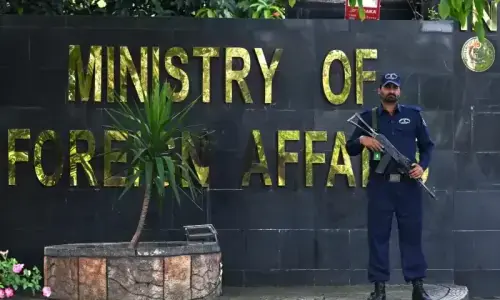
Pakistan belongs to the latter category. Despite persistent speculation and re-curring whispers in diplomatic corridors, Pakistan is neither likely nor morally prepared to become part of the Abraham Accords.
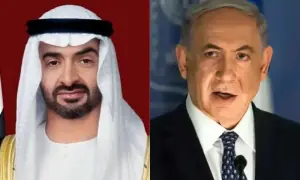
The reasons are neither emotional nor reactionary. They are rooted in history, faith, international law and the collective conscience of the Pakistani people. The question of Palestine is not a passing diplomatic issue for Pakistan; it is a matter deeply interwoven with the nation’s moral identity. The Abraham Accords, signed initially between Israel and certain Arab states under the patronage of the United States, were presented as a pathway to peace in the Middle East. Yet, peace without justice resembles a magnificent palace built upon sand.
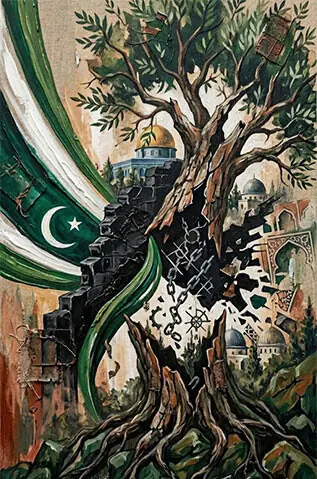
The accords totally bypassed the central question that has haunted the region for more than seven decades: the legitimate rights of the Palestinian people to an independent homeland. By normalising relations with Israel before a just settlement of the Palestine issue, the accords effectively reduced the suffering of Palestinians to a secondary matter.
Beyond the faith-based dimension lies the realm of international law. The Abraham Accords appear less to be an instrument of comprehensive peace, and more as a diplomatic re-arrangement that seeks only to normalise an unresolved occupation. By rewarding Israel with recognition without a final settlement, the accords risk undermining the very framework established by international law and the United Nations.
The recent Gaza peace initiatives and negotiations in which Pakistan participated further illuminate this contradiction. Pakistan has consistently advocated an immediate ceasefire, humanitarian relief for civilians, and the establishment of an independent Palestinian state based on pre-1967 borders with Al Quds as its capital.
These positions are not merely ceremonial statements; they represent Pakistan’s declared diplomatic doctrine. To subse-quently join a framework that effectively sidelines these demands would create a glaring contradiction in Pakistan’s foreign policy and erode its credibility before the world at large.
It is reasonable to question whether attempts to insert the Abraham Accords into a broader Gulf settlement are part of a deliberate strategic design. Great powers have long understood that frag-mented societies are easier to influence than united ones.
By embedding normalisation within regional economic and security arrange-ments, there appears an effort to transform Palestine from a central moral cause into a negotiable political detail. Such a shift would gradually dull the collective conscience of the Muslim world and redefine resistance to occupation as diplomatic inconvenience.
The winds of geopolitics may shift, alliances may emerge and dissolve, and economic temptations may intensify, but nations ultimately survive through fidelity to their principles.
Pakistan understands that some causes are too sacred to be traded for transient advantage. And Palestine is one such cause. Until justice speaks louder than brute power, Pakistan is unlikely to walk the path of the Abraham Accords.
Muhammad Mohsin Iqbal
Islamabad
Published in Dawn, June 12th, 2026